• Home
  • Suggest A DIY
  • DIY Newsletter

Craft Gossip

Independent craft blog since 2007

  • About CraftGossip
  • Our Network
    • Bath & Body Crafts
    • Candle Making Ideas
    • Crochet Ideas
    • Cross Stitch
    • Edible Crafts
    • Felting Patterns
    • Glass Art
    • Home & Garden Ideas
    • Indie Crafts
    • Jewelry Making
    • Kids Crafts
    • Knitting Patterns
    • Lesson Plans
    • Needlework
    • Party Ideas
    • Polymer Clay
    • Quilting Ideas
    • Recycled Crafts
    • Scrapbooking
    • Sewing Patterns
    • Card Making
    • DIY Weddings
    • Not Craft Ideas
  • Giveaways
  • Roundups
  • Store
  • Search

Keeping a Candle Making Journal

May 7, 2011 by SandraW

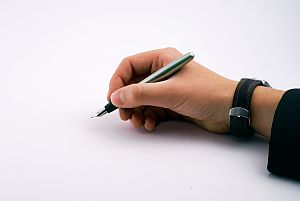
Writing photo by CierpkiA candle making journal is necessary when you’re experimenting with different candle wax formulas, shapes, scents and wicks.

You’ll want to record some of these things in your candle journal: type of wax used, whether there were any additives, amount of scent, dye and size of wick.

(Writing photo by Cierpki)

Temperature of the wax

Another thing to record is the temperature of the wax when poured as well as the actual temperature in your home. These things can really affect how your candle turns out. For example, with palm wax, it feathers (crystallizes) much more if it’s poured hot and cools down slowly. If it cools too fast, it might not feather at all. On the other hand, some waxes like container blends and soy work better poured at a lower temperature because they’ll shrink less and appear smoother in their containers.

Usually, the candle supplier will include directions for the ideal temperature for pouring your wax. Sometimes, when you’re mixing waxes and additives, you need to figure this out yourself.

Write down how the formula worked out

Besides all these details, the thing that matters the most in your candle making journal is the end result. The reason it’s so important to record what you’re doing is that like cooking, sometimes you inadvertently stumble upon some magic recipe and if you don’t keep track of what you did, it stinks not being able to create that same effect.

Once you have a few failures and successes under your belt, you can hopefully duplicate your successes consistently. Also, if you have the perseverance, you can fine tune your candle making failures by adjusting your wax formula, temperature or wick.
«
»

Have you read?

Learn a Flower Bobble Technique to Knit a Fun Shawl

Generally I like knitting patterns where I feel like you can use whatever yarn you have (because my stash is big enough and I want to use it, thanks) and make a successful project. This is one of those times when a special yarn makes the process that much easier. 

The Floral Bouquet Shawl from Xandy Peters uses a specific extended color pooling yarn from Feisty Fibers, which allows you to place the bobble flowers with increasing frequency as you knit the project. 

It starts with a solid color yarn, then the two color yarn is added in, and you make a bobble whenever you encounter the color pops. This would be hard to replicate with other yarn that doesn’t have the extended color pooling built in.

The background of the shawl is ribbed, making the project reversible. 

The shawl uses fingering/sock yarn and comes out to be an asymmetrical triangle that’s 54 inches/137 cm long and 36 inches/ 90 cm deep and 60 inches/150 cm across the top edge. 

Xandy says the pattern is for intermediate to advanced knitters. Knowing how to work traditional bobbles would probably help, but there’s a great video tutorial for how to work the floral bobbles so you can practice on other yarn or even incorporate the bobbles into other projects. 

The bobbles are five-petaled flowers but they also kind of look like starfish to me, which could be fun on a child’s cardigan or other pattern. They’d also be fun on the leg of a sock or around the brim of a hat for extra whimsy. 

The pattern includes photo and video tutorials, and written and charted instructions. It also includes tips on what to look for if you choose to use different yarn for the project, and instructions on how to dye your own yarn to use in the project. 

If you want to give it a try, you can find the pattern on Ravelry. 

[Photo: Xandy Peters]

RSS More Articles

  • DIY Burn Relief Soap – A Soothing Aloe Vera and Lavender Recipe for Sunburn, Windburn, and Irritated Skin
  • 10 Bookmark Embroidery Patterns for Quick Handmade Gifts
  • Necklace Length Guide For Handmade Jewelry Makers
  • Toy Story Cross Stitch Patterns
  • Vintage Bed Socks Knitting Pattern – A Cozy Little Gift Project With Old-Fashioned Charm
  • Vintage Crochet Baby Dress Pattern Review
  • 12+ Beautiful Butterfly Card Ideas
  • Cute Little Backpack Knitting Patterns
  • Easy Pen and Paper Games for Road Trips and Beyond
  • Air-Dry Clay Sunflower Trinket Dish Tutorial

Pick Your Blog

  • Sewing
  • Knitting
  • Quilting
  • Crochet
  • Home & Garden
  • Recycled Crafts
  • Scrapbooking
  • Card Making
  • Polymer Clay
  • Cross-Stitch
  • Edible Crafts
  • Felting
  • Glass Art
  • Indie Crafts
  • Kids Crafts
  • Jewelry Making
  • Lesson Plans
  • Needlework
  • Bath & Body
  • Party Ideas
  • Candle Making
  • DIY Weddings
  • Not Craft
  • Free Craft Projects

Copyright © 2026 · CraftGossip | Start Here | Contact Us | Link to Us | Your Editors | Privacy and affiliate policy