• Home
  • Suggest A DIY
  • DIY Newsletter

Craft Gossip

Independent craft blog since 2007

  • About CraftGossip
  • Our Network
    • Bath & Body Crafts
    • Candle Making Ideas
    • Crochet Ideas
    • Cross Stitch
    • Edible Crafts
    • Felting Patterns
    • Glass Art
    • Home & Garden Ideas
    • Indie Crafts
    • Jewelry Making
    • Kids Crafts
    • Knitting Patterns
    • Lesson Plans
    • Needlework
    • Party Ideas
    • Polymer Clay
    • Quilting Ideas
    • Recycled Crafts
    • Scrapbooking
    • Sewing Patterns
    • Card Making
    • DIY Weddings
    • Not Craft Ideas
  • Giveaways
  • Roundups
  • Store
  • Search

How To Throw A Christmas Party On A Budget

November 30, 2016 by Shellie Wilson

how-to-throw-a-christmas-party-on-a-budget

Christmas parties are a highlight of the year that no-one wants to miss out on. But with many people and businesses feeling the pinch, sticking to a budget is essential.

So Partydelights have put together their top money-saving tips for throwing a Christmas party on a budget. Read on to find out how to spend your budget wisely and keep your costs down without sacrificing any of the festive fun!

Christmas Party On A Budget

Check out our PrintableChristmas party planners, Meal planners, and Christmas Gift lists in our online Printable Store.
«
»

Have you read?

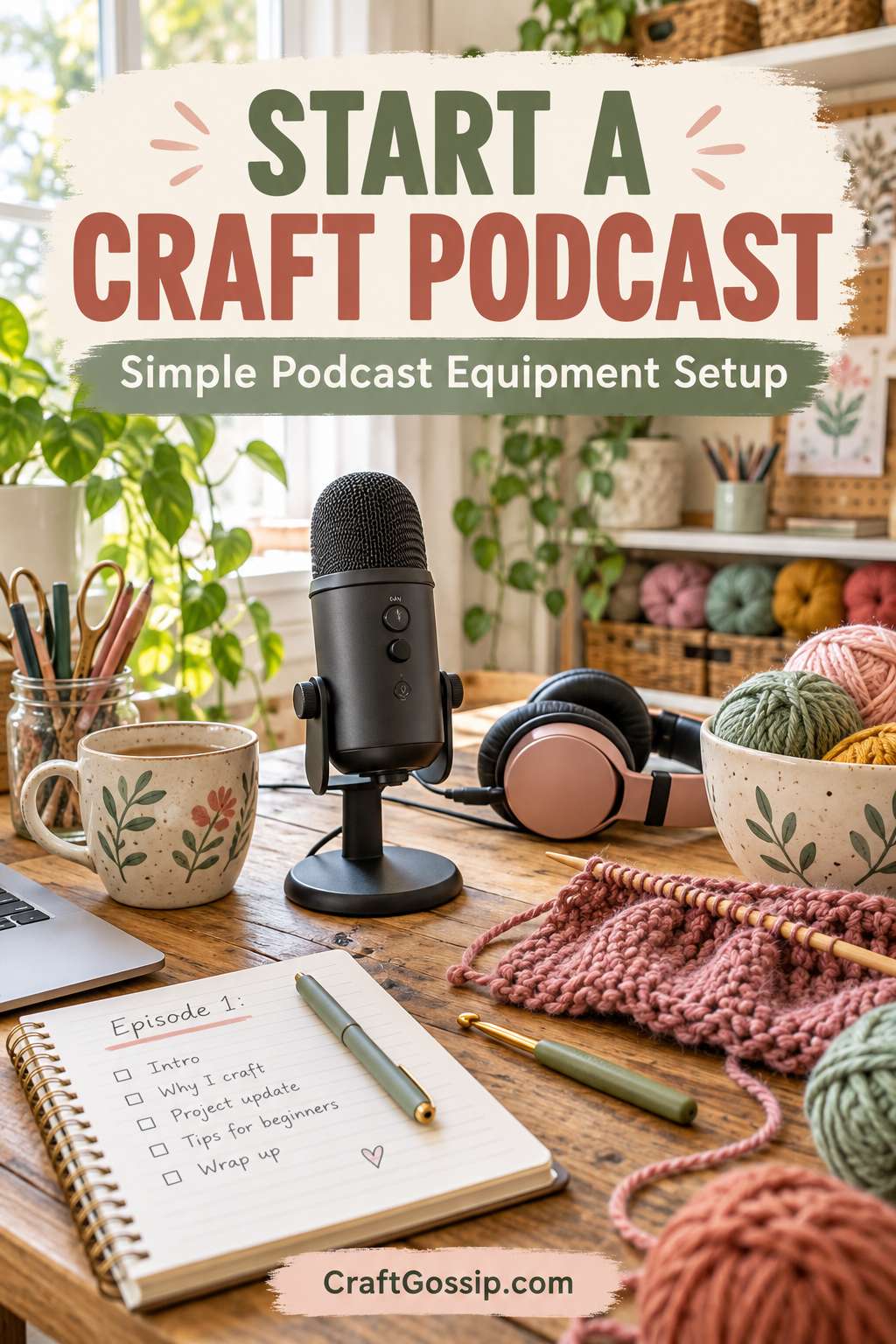
How to Start a Crochet, Knitting or DIY Podcast: A Simple Podcast Equipment Setup

Thinking about starting a craft podcast? Here is a practical podcast equipment setup for beginners, plus episode ideas and tips for sharing visual projects with listeners.

There is something lovely about listening to another maker chat while your hands are busy. You can knit a few rows, weave in ends or sort through the fabric stash while someone else keeps you company. At some point, you might wonder whether you could be the person behind the microphone.

You can. You do not need a soundproof studio or a desk full of blinking equipment to start a crochet, knitting or DIY podcast. You need a clear idea of who you are talking to, a reasonably quiet place to record and a setup you will actually use. The fancy microphone can wait until you know you enjoy making episodes.

Decide what your craft podcast will offer

Before shopping for equipment, finish this sentence: “This is a podcast for people who…”

Perhaps you want to keep beginner crocheters company as they learn. Maybe you have twenty years of knitting mistakes and useful fixes to share. Or perhaps your DIY podcast will be a friendly chat about thrifty home projects, tools you have tried and what went wrong along the way.

A clear focus makes planning much easier. It also gives listeners a reason to come back. You could build your show around:

  • A weekly chat about what you are making
  • Practical answers to common craft questions
  • Interviews with designers, makers or local craft groups
  • Honest reviews of yarn, patterns and tools
  • The stories behind handmade gifts and family projects
  • Short episodes designed to accompany a crafting session

You do not have to teach a complete technique through audio alone. A chat about choosing yarn for a beginner project works beautifully as a podcast. A detailed demonstration of where to put your hook is better supported by photos or video. For that sort of episode, give listeners a useful link in the show notes, such as our beginner crochet guide.

A beginner podcast equipment setup that makes sense

Start with what you have, then improve the one thing that causes a real problem. A small, dependable setup is far more useful than expensive gear still sitting in its box.

A computer or phone: Either can record a first episode. A phone is especially handy if you want to test your idea before buying anything.

A microphone: Your phone or computer’s built-in microphone may be enough for a trial recording. If you decide to continue, a USB microphone is a straightforward upgrade for one person recording at a desk. Check that its connection works with your device before ordering.

Headphones: Use them to check for hum, echo, uneven volume and the neighbour’s lawnmower making an uninvited appearance. Wired headphones are handy while editing because you can hear the recording without your speakers feeding back into the microphone.

A stable place for the microphone: A simple stand is enough. Keep the microphone in roughly the same position each time you record. A pop filter or foam cover can help soften the sharp bursts of air on words beginning with “p” and “b.”

Recording and editing software: Choose something you can learn without losing an entire weekend. Audacity’s recording guide explains how to select a microphone and check recording levels. Record a short test, listen back through headphones and adjust before you begin a full episode.

A quiet, soft room: Curtains, rugs, cushions and bookshelves can help reduce an echoey sound. A cosy room often serves a beginner better than buying more equipment. Turn off noisy fans where practical, silence notifications and put down any particularly rattly knitting needles while you speak.

If you are recording an interview in person, make sure both voices sound clear in a test before you start. For a remote guest, ask them to use headphones and sit somewhere quiet. You can work out a more elaborate interview setup once interviews become a regular part of your show.

If you do buy supplies, Amazon has plenty of basic USB microphones, stands, pop filters and wired headphones. Compare the connections with your computer or phone first. There is no joy in a beautiful new microphone you cannot plug in.

Plan an episode you can actually finish

For your first recording, aim for one useful topic rather than trying to explain everything you know about crochet, knitting or DIY in forty minutes. A simple structure is enough:

  1. Welcome listeners and tell them what the episode covers.
  2. Share a brief personal story or project update.
  3. Discuss two or three practical points.
  4. Mention where listeners can see photos, patterns or resources.
  5. End with a question or a hint about the next episode.

You can write notes instead of a full script. I would jot down the names of patterns, designers and products, though. It is surprisingly easy to forget the exact name of a yarn when the recording button is on.

Your first three episodes might be “What Is in My Project Basket?”, “Three Things I Wish I Knew When I Started Knitting” and “How I Choose a Manageable Weeknight Project.” If you need inspiration for that last one, our quick weeknight crochet projects show the sort of small, achievable makes listeners may enjoy working on while they listen.

Make visual crafts work in audio

This is the question that stops many makers: “How will anyone understand my project if they cannot see it?”

You do not have to make the podcast do every job. Describe the texture, colour and purpose of the project, then place clear photos and any essential instructions in the episode’s show notes or a companion blog post. If you are discussing a pattern, tell listeners where to find the written version. Do not expect them to remember a complicated stitch sequence while driving or washing dishes.

An episode about relaxing beginner projects, for example, could link to the free CraftBits crochet dishcloth pattern. Listeners get the conversation in their ears and the actual instructions when they are ready to pick up a hook.

The same approach works for sewing, quilting, paper crafts and home DIY. Talk through the choices, mistakes and lessons that make a project interesting. Let photos, measurements and diagrams carry the details that need to be seen.

How to publish your craft podcast

Once you have recorded and edited an episode, you will need a podcast hosting service. The host stores your audio and provides an RSS feed, which podcast listening apps use to find your show and episodes.

Choose a name that tells people what the show is about, write a plain-language description and create square cover art that remains readable at a small size. Your episode title should be specific too. “Choosing Yarn for Your First Crochet Blanket” tells a new listener much more than “Episode 3: A Little Chat.”

Check your host’s current instructions for submitting the show to listening apps. For example, Spotify for Creators explains that a show hosted there appears on Spotify, while submitting it to services such as Apple Podcasts requires an additional step using its RSS feed. Platform settings change, so use the host’s current help pages when you publish.

For each episode, include short show notes with the projects mentioned, links to photos or tutorials, and any product links that genuinely help. If you use affiliate links, disclose them clearly.

Start small enough to keep going

A craft podcast does not have to sound like a polished radio programme. A warm voice, clear audio and a useful conversation are a good beginning. You can record a short pilot, send it to a trusted crafting friend and ask two questions: “Could you hear me clearly?” and “What would you want to hear next?”

Then make another episode. Like knitting or crochet, podcasting becomes easier after the first slightly awkward rows. And if the first recording includes a little yarn rustling in the background? Your fellow crafters will probably feel right at home.

RSS feed: More Articles More Articles

  • Witch Themed Math Activities
  • How to Make a Basic Scrapbook Page (Step-by-Step for Beginners)
  • DIY Halloween Earrings To Make This October
  • 10 Best Rolling Craft Carts for 2026: Best Picks for Cricut, Scrapbooking, Sewing & Yarn
  • 12 Ways To Make A Fake Skull For Halloween
  • Free Purple Witch Hat Keychain Crochet Pattern – Cute Halloween Bag Charm
  • 10 Beginner-Friendly Halloween Soap Making Tutorials
  • Bacon Old Fashioned Cocktail: How to Make Bacon-Infused Bourbon at Home
  • Spooky Stitch Savings: Your Halloween Monday Precut Reminder
  • 12 Cozy Fall Handmade Cards

Pick Your Blog

  • Sewing
  • Knitting
  • Quilting
  • Crochet
  • Home & Garden
  • Recycled Crafts
  • Scrapbooking
  • Card Making
  • Polymer Clay
  • Cross-Stitch
  • Edible Crafts
  • Felting
  • Glass Art
  • Indie Crafts
  • Kids Crafts
  • Jewelry Making
  • Lesson Plans
  • Needlework
  • Bath & Body
  • Party Ideas
  • Candle Making
  • DIY Weddings
  • Not Craft
  • Free Craft Projects

Copyright © 2026 · CraftGossip | Start Here | Contact Us | Link to Us | Your Editors | Privacy and affiliate policy