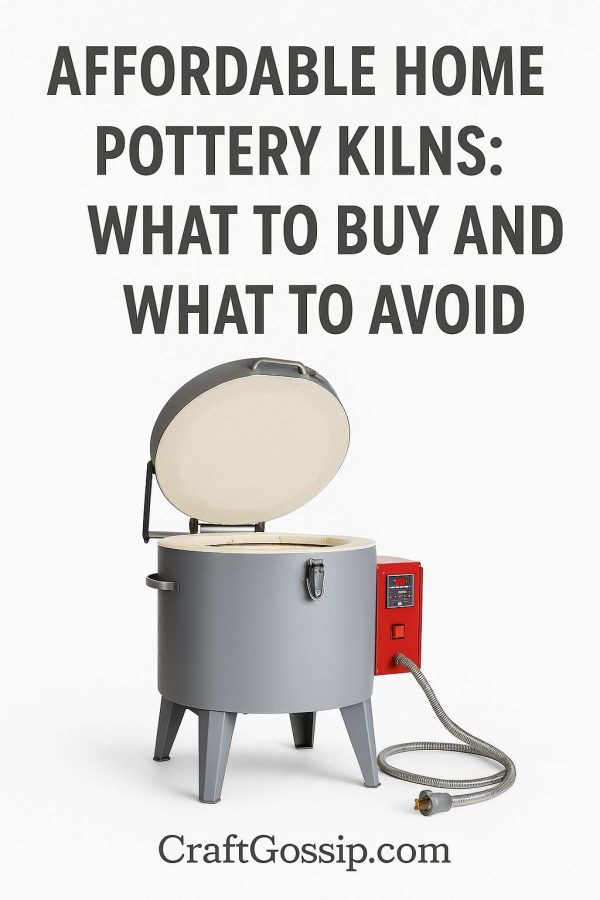
For many of us who fall in love with pottery, the dream of owning our own kiln comes quickly. The smell of clay, the thrill of unloading a glowing chamber of newly fired work—it’s magic. But kilns can also be a big investment, and not every “budget-friendly” option is worth your money.
If you’ve been eyeing affordable home pottery kilns for small projects, jewelry, mugs, or even just experimenting, let’s talk about what’s worth buying and what to avoid.
Why Consider a Home Pottery Kiln?
Having your own kiln means you can:
- Fire your clay projects on your own schedule.
- Experiment with glazes and firing temperatures.
- Skip the waitlists (and fees) at community studios.
But here’s the catch: not all “cheap kilns” are safe, reliable, or even hot enough to properly fire pottery clay.
Types of Affordable Kilns
1. Tabletop Kilns
Perfect for beginners, jewelry makers, and small ceramics.
- Pros: Compact, plug into a regular outlet, heat up quickly.
- Cons: Limited firing chamber size—you won’t fit a dinner plate in there.
Recommended:
- Evenheat Ceramic Kilns – known for reliability in small sizes.
- Paragon SC Series – popular tabletop options with digital controllers.
2. Used Pottery Kilns
You can often find secondhand kilns through:
- Facebook Marketplace
- Craigslist
- Local pottery studios upgrading equipment
Tips if buying used:
- Check the kiln bricks for cracks.
- Ensure the wiring is updated (older kilns may need rewiring).
- Digital controllers are easier for beginners than manual knobs.
3. Multi-Purpose Craft Kilns
Some kilns are sold as “for glass, metal, and pottery.” While versatile, many don’t reach the cone levels needed for stoneware or porcelain.
- Avoid: Any kiln that tops out below 2000°F (1100°C)—it won’t handle true ceramic firings.
- Better for: Glass fusing, PMC (precious metal clay), or enamel jewelry.
What to Avoid
- “No-name” kilns on Amazon: While tempting, many budget kilns marketed as “ceramic kilns” are really for glass or metal and don’t fire high enough for clay.
- Tiny craft kilns: If the chamber is smaller than a shoebox, you’ll quickly outgrow it.
- Non-ventilated setups: Safety matters. Always choose a kiln with a proper vent system or set up in a well-ventilated garage/outdoor space.
Hidden Costs to Consider
Even if the kiln itself is “affordable,” don’t forget:
- Kiln furniture (shelves, posts, stilts) adds $100–200.
- Electrical requirements: Larger kilns may need a dedicated 240V line.
- Shipping: Kilns are heavy, and freight costs can surprise you.
Alternatives to Buying a Kiln
If you’re not quite ready to buy:
- Community studios often let you pay per firing. Search “pottery kiln firing near me”.
- Pottery cafes or local makers sometimes fire work for $5–10 per piece.
- Air-dry clay projects let you practice at home without firing at all.
If you’re just starting out, a small tabletop kiln from a trusted brand is your safest, most affordable entry point. If you’re serious about bigger projects, consider investing in a used kiln from a pottery studio rather than a “too cheap to be true” Amazon model.
Remember: the right kiln will last you decades if cared for properly. And if now isn’t the time to buy, your local pottery shop or community kiln can give you the same joy—without the upfront investment.